Common Mistakes First-Time Curbing Machine Owners Can Avoid
Investing in a curbing machine can open the door to new landscaping opportunities, but getting the most from your equipment requires more than simply turning it on and starting a project. First-time owners may encounter a learning curve when it comes to machine setup, concrete preparation, extrusion techniques, and routine maintenance. Understanding some of the most common mistakes ahead of time can help new operators avoid unnecessary material waste, inconsistent results, equipment problems, and frustrating delays.
Skipping the Owner’s Manual and Training
One of the most common mistakes new curbing machine owners make is assuming they can learn everything through trial and error. While hands-on experience is valuable, failing to review the manufacturer's instructions can lead to improper setup, inefficient operation, or avoidable equipment damage. Before beginning a project, take time to understand the machine's controls, recommended operating procedures, attachments, and maintenance requirements.
Training is equally important. Even an experienced landscaping professional may need time to become familiar with how a specific machine handles concrete and responds to different conditions. Practicing in a controlled environment can help operators become more comfortable with the equipment before taking on a large customer project.
Using the Wrong Concrete Mix
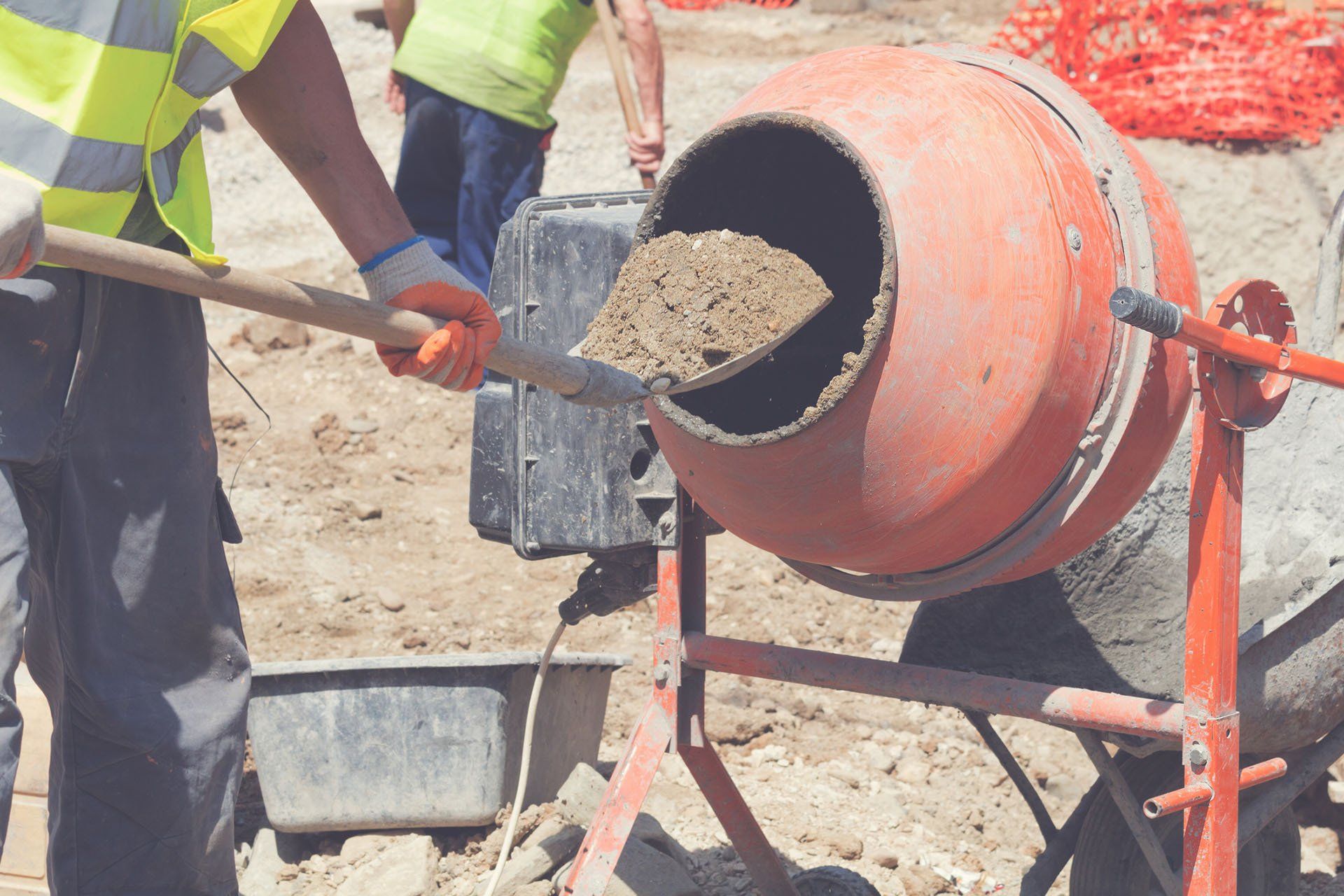
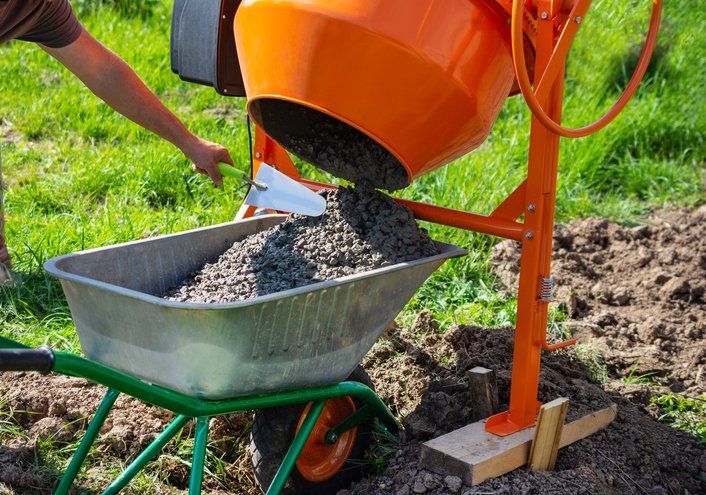
Curbing machines depend heavily on properly prepared concrete. A mix that is too wet may fail to hold its shape as it exits the machine, while concrete that is too dry may be difficult to extrude smoothly. Inconsistent mix quality can result in cracking, weak curbing, uneven surfaces, and other problems.
New operators should follow the machine manufacturer's recommendations and pay close attention to consistency throughout the project. Factors such as weather, aggregate, moisture levels, and the particular design being installed can all influence how the concrete behaves. Taking the time to prepare the right mix can make a significant difference in both appearance and performance.
Failing to Prepare the Work Area
A curbing machine can produce excellent results, but the equipment cannot compensate for an improperly prepared installation area. Failing to establish a clear, stable path for the machine may lead to uneven lines, shifting, or inconsistent curb height.
Before pouring, mark the desired layout and prepare the underlying surface as needed. Remove obstacles, establish the appropriate grade, and make sure the machine can move smoothly along the intended route. Careful preparation can make installation more efficient while helping create cleaner, more consistent results.
Moving Too Quickly
It can be tempting for new operators to focus on completing a project as quickly as possible. However, moving the machine too fast can affect the quality of the finished curb. The concrete needs to be properly extruded and compacted as the machine moves forward, and maintaining a steady pace is important for consistency.
New operators should focus on developing a controlled, repeatable rhythm rather than trying to maximize speed immediately. With practice, operators can learn how machine speed, concrete consistency, and material flow work together. Efficiency typically improves naturally as experience increases.
Ignoring Routine Maintenance
Like any piece of specialized equipment, a curbing machine needs regular care to remain dependable. One of the most preventable mistakes is failing to clean the machine thoroughly after each use. Hardened concrete can make components difficult to operate and may cause unnecessary wear or damage.
Routine inspections are also important. Check components for wear, keep moving parts properly maintained according to manufacturer recommendations, and address small issues before they become larger repairs. A consistent maintenance routine can help extend equipment life and reduce unexpected downtime.
Choosing the Wrong Forms or Attachments
Curbing projects can involve a variety of profiles, dimensions, and decorative designs. Using a form or attachment that is not suited to the project can produce poor results and may create unnecessary frustration during installation.
Before beginning a job, confirm that the selected form or attachment is appropriate for the desired curb design and compatible with the machine. Having the right equipment in place ahead of time can help the installation proceed more smoothly and reduce the need for mid-project adjustments.
Overlooking Weather Conditions
Weather can affect concrete installation and the performance of the equipment. Extreme heat, cold, wind, or precipitation may influence curing time, moisture levels, and the overall installation process. First-time operators should consider the forecast and plan their projects accordingly.
It is also important to recognize that concrete conditions can change throughout the day. Operators may need to adjust their approach as temperatures and moisture conditions change. Monitoring the material and following appropriate installation practices can help promote more consistent results.
Reach Out to Decorative Curbmaking Machines to Get Started
Owning a curbing machine can be a valuable investment for landscaping professionals and businesses looking to expand their services. If you're interested in buying concrete curbing machines online, we urge you to contact one of our friendly team members! For years, Decorative Curbmaking Machines has continued to support clients across the nation, offering the very latest concrete curbing machines at highly competitive rates. Reach out to our team to get started!