Concrete Curbing vs. Traditional Forming: Pros and Cons
Concrete Curbing vs. Traditional Forming: Pros and Cons
When planning a landscape edging or hardscape project, homeowners often find themselves choosing between decorative concrete curbing and traditional concrete forming methods. While both options can enhance the appearance and functionality of your outdoor space, they differ significantly in installation, design flexibility, durability, and cost.
Understanding the advantages and limitations of each approach can help you make the best decision for your property and long-term landscaping goals.
What Is Concrete Curbing?
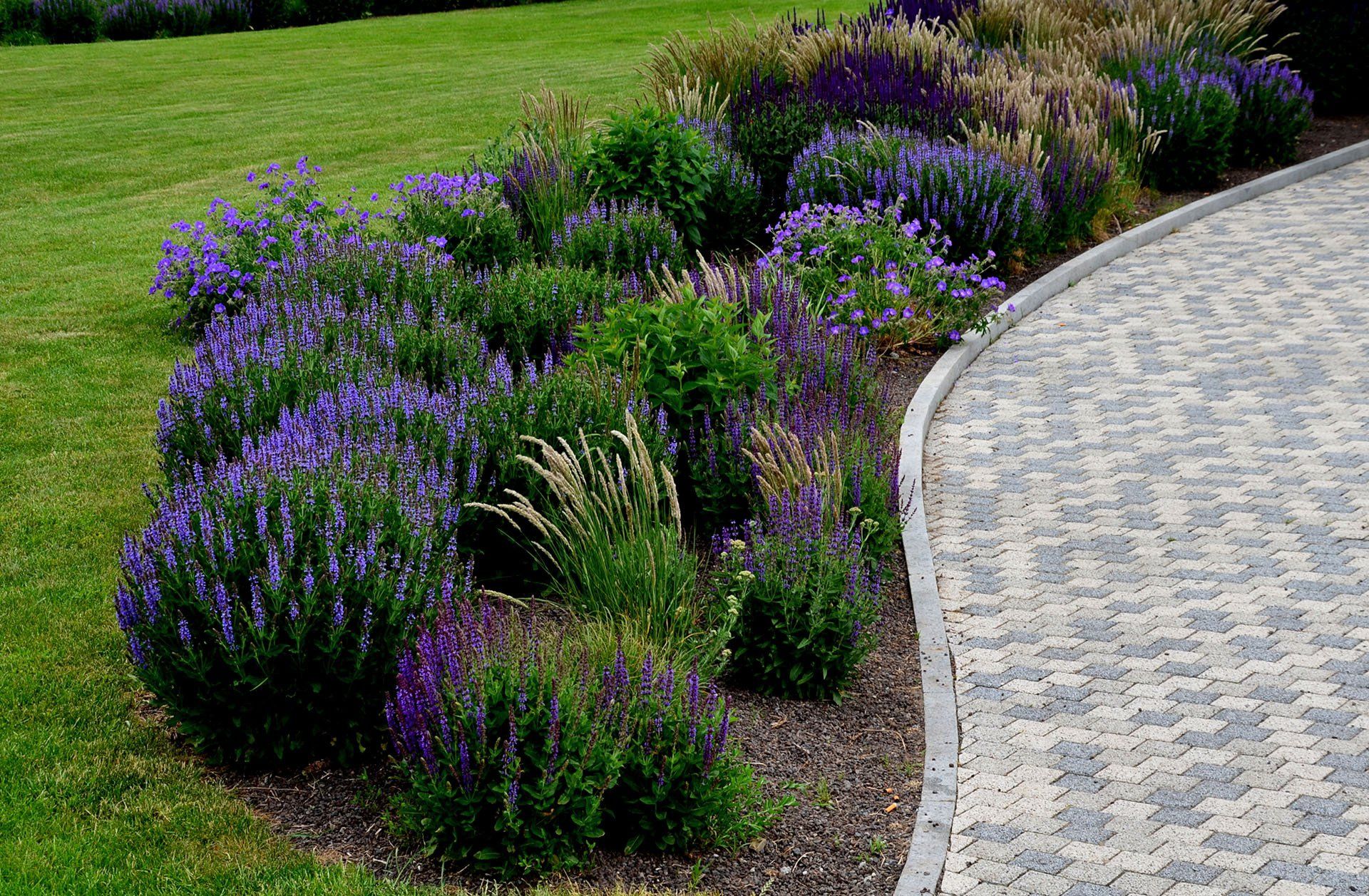
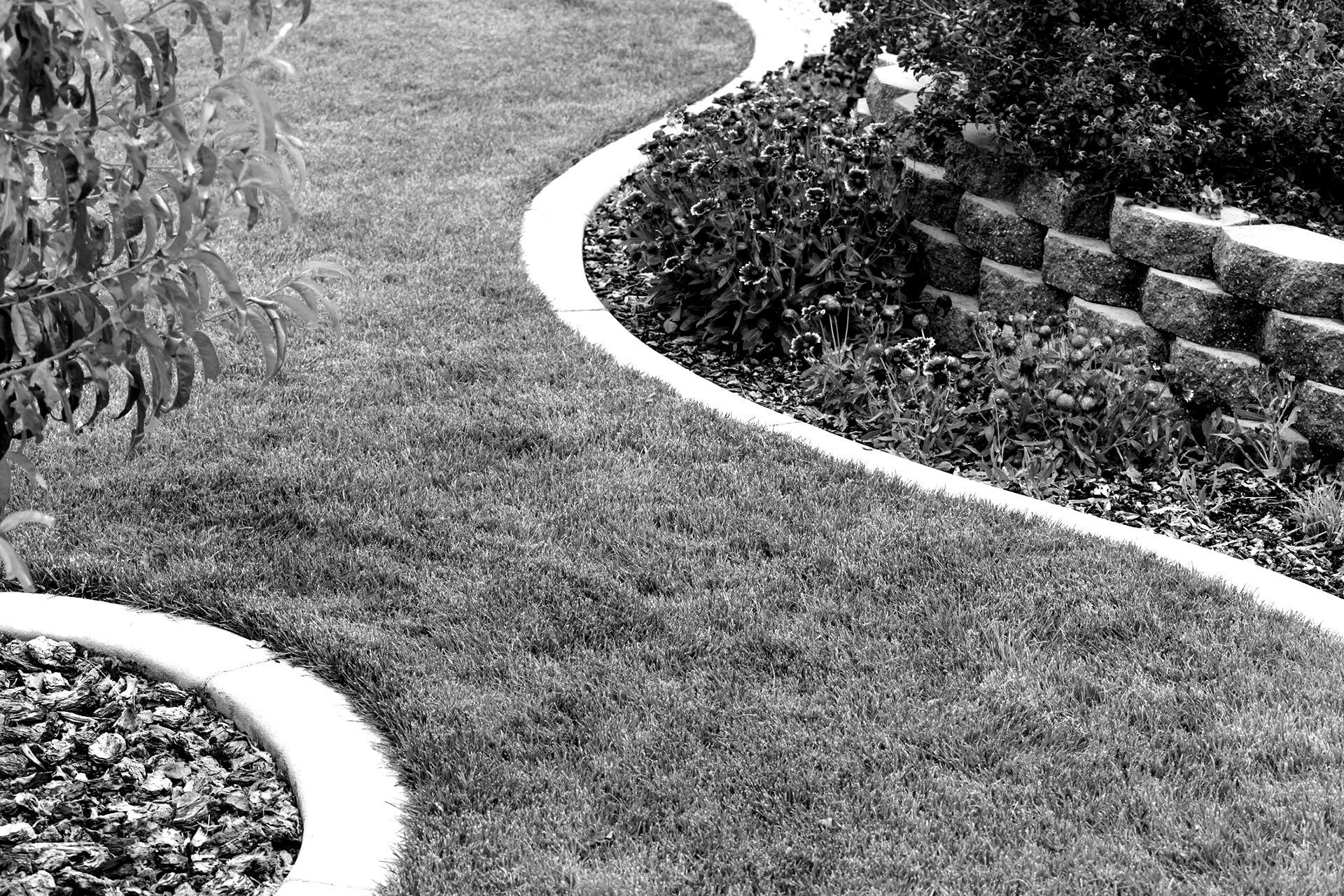
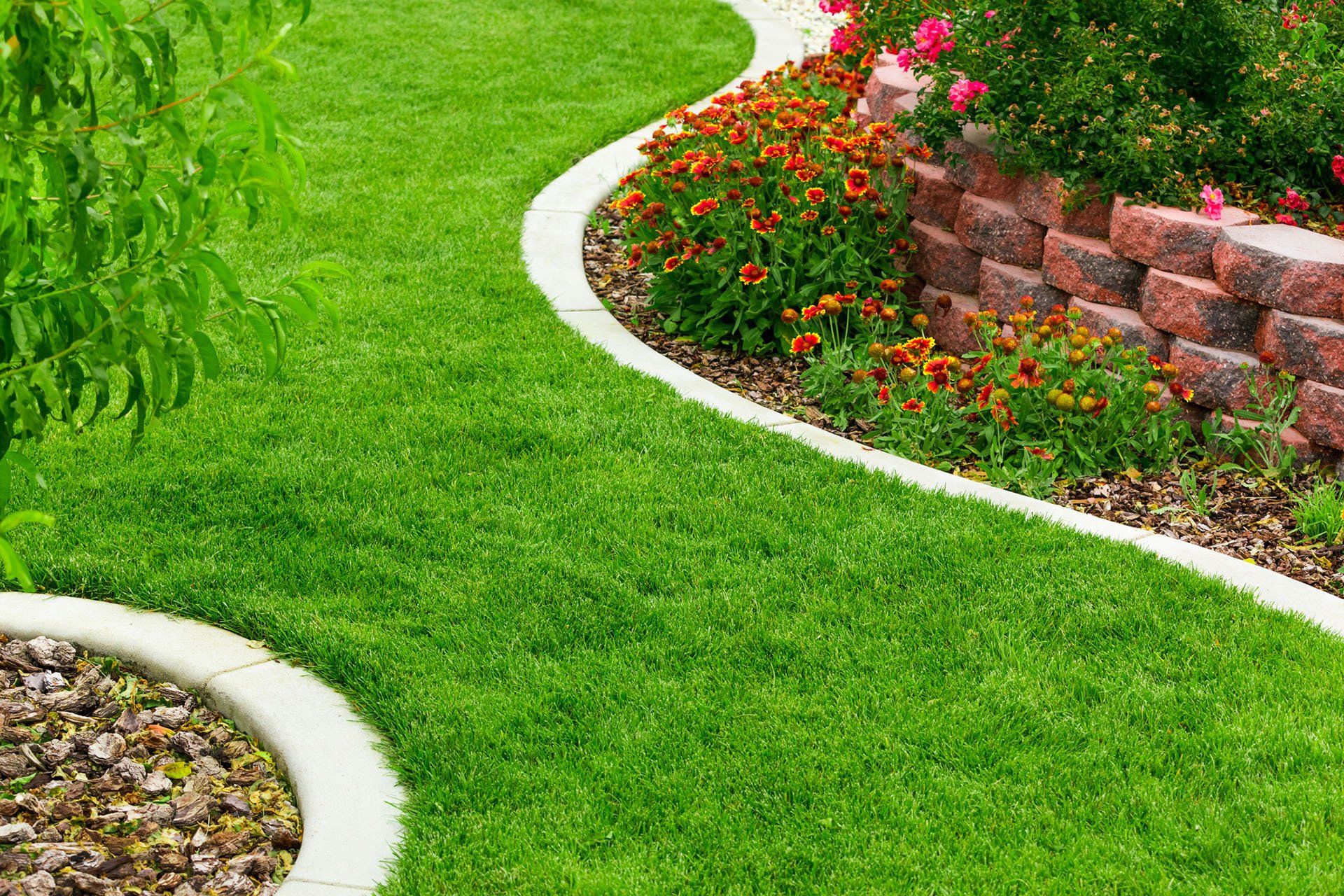
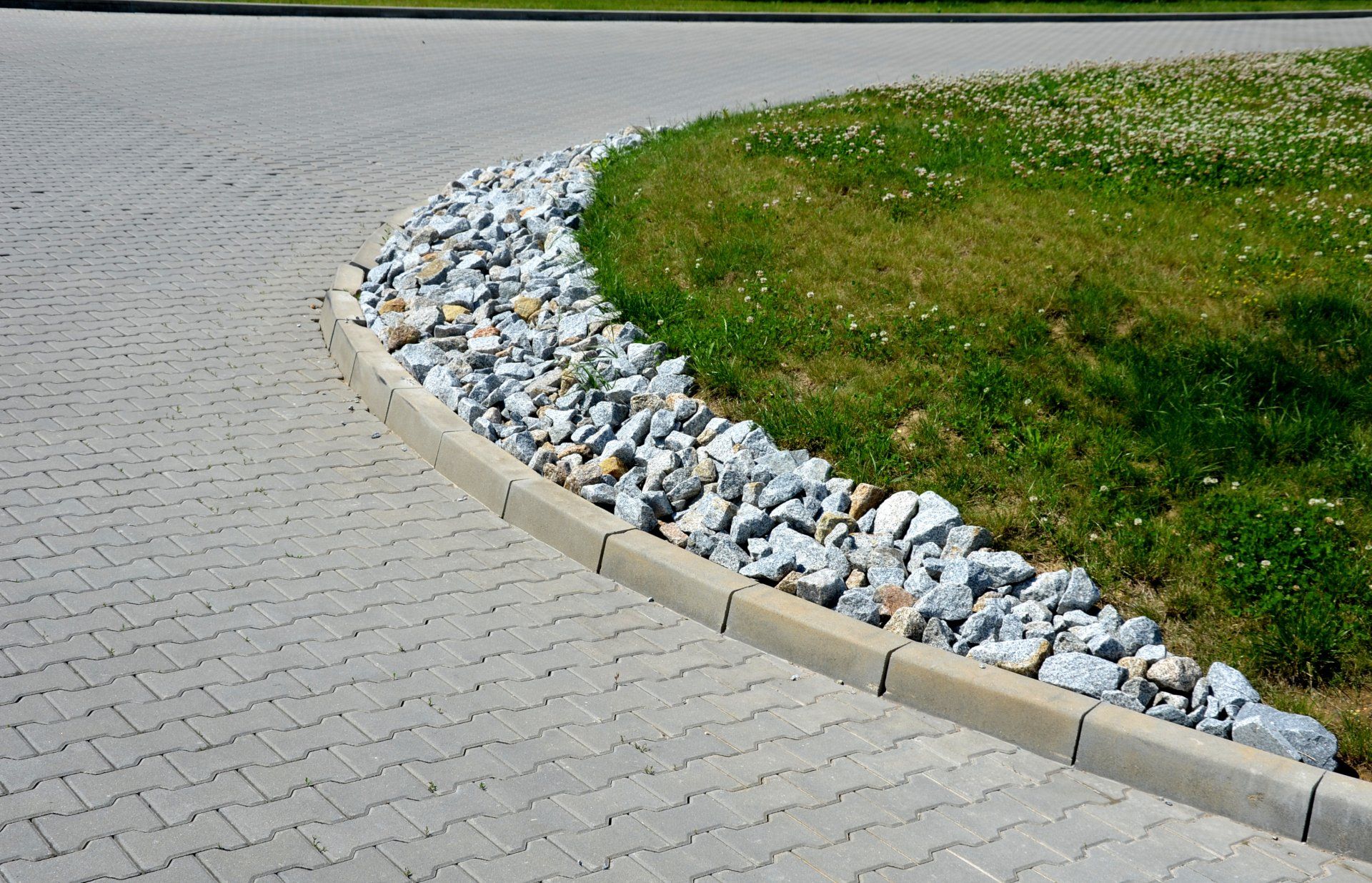
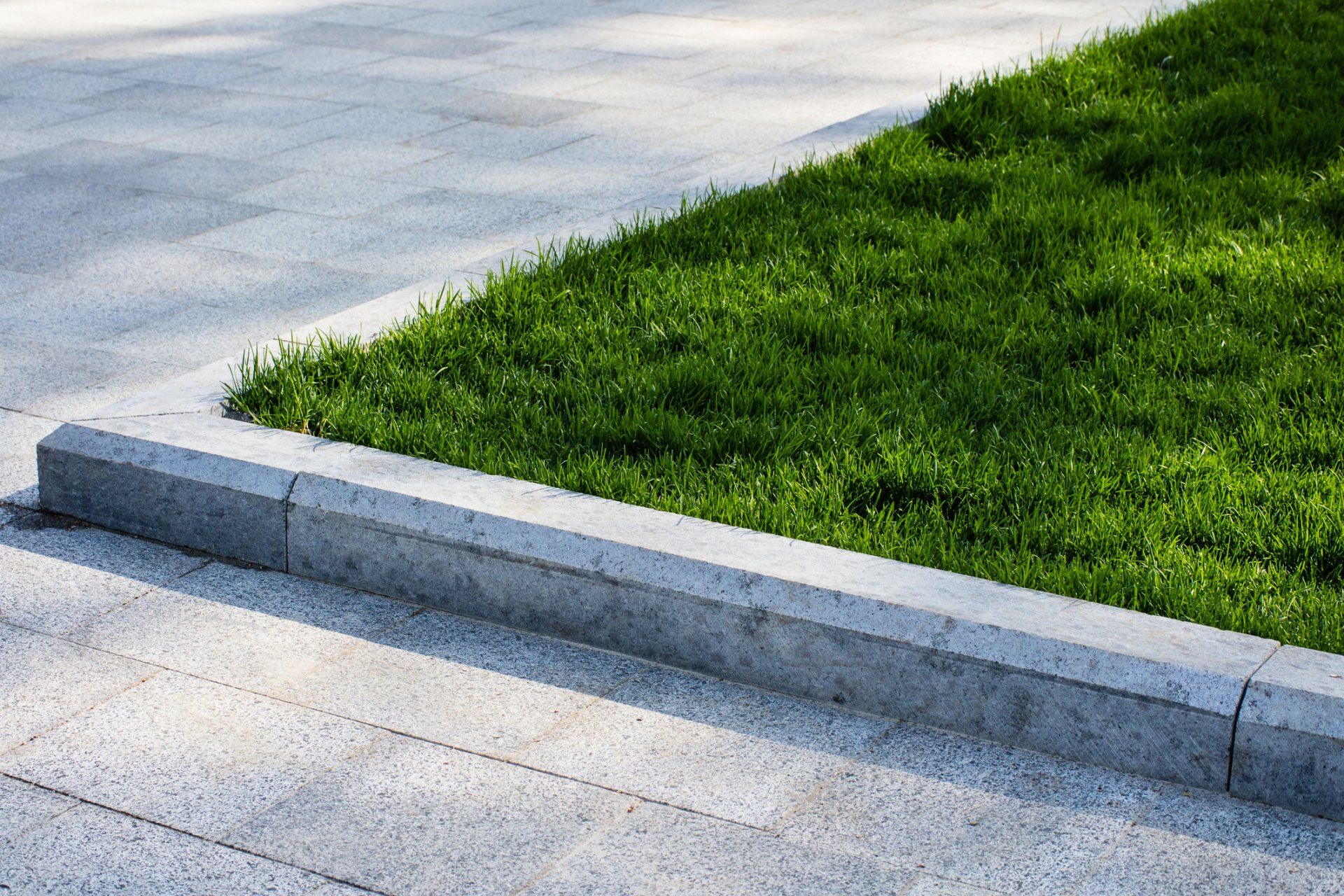
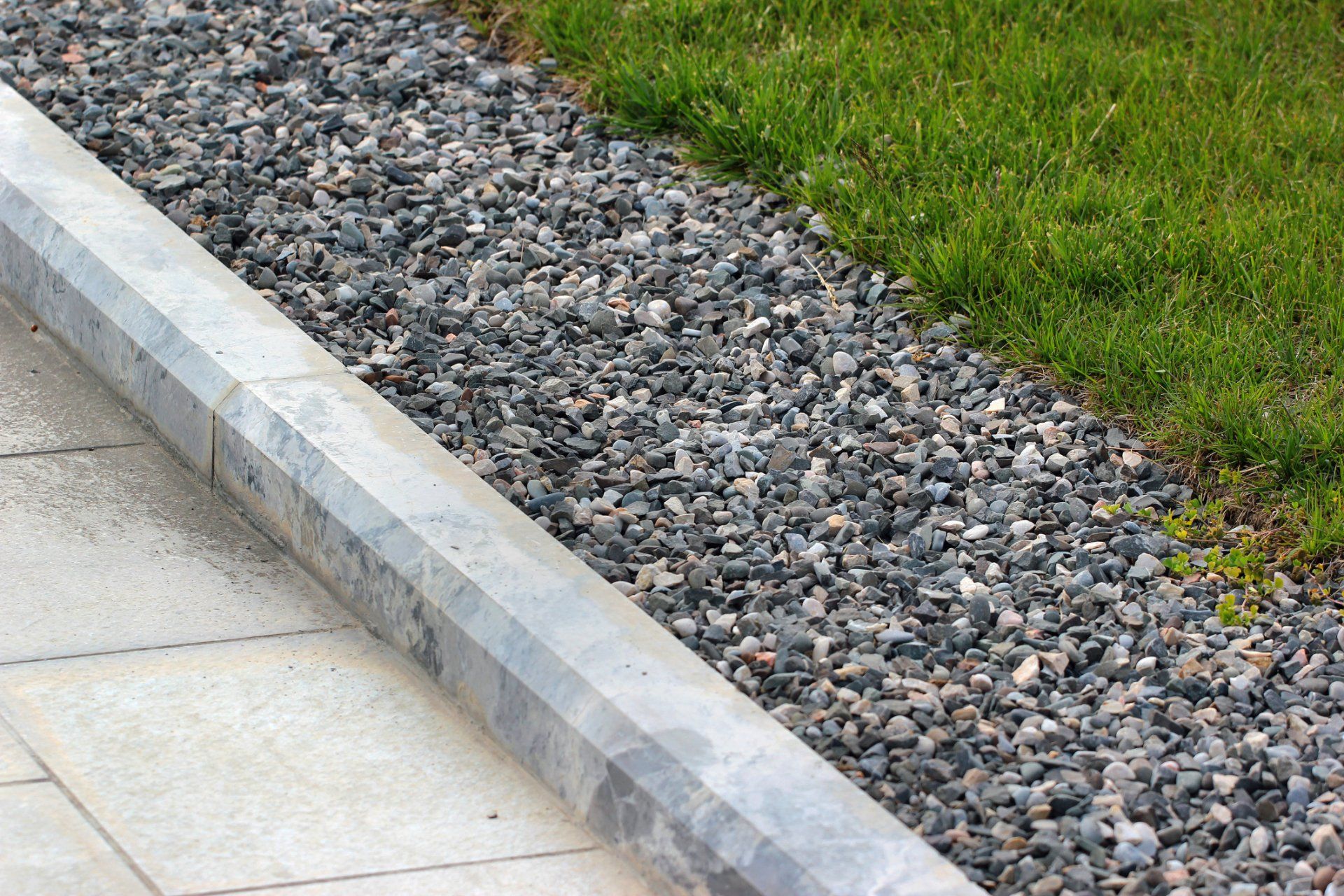
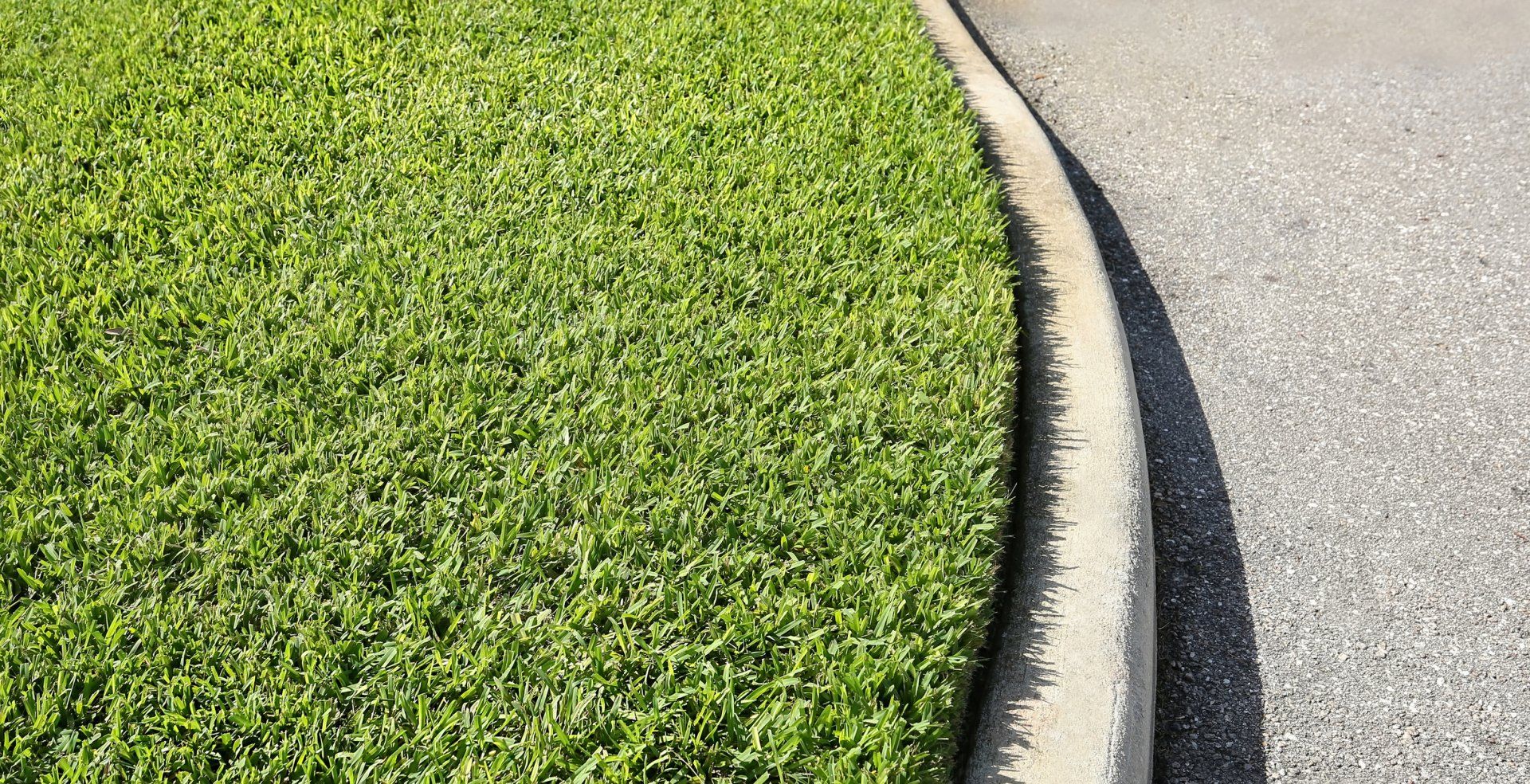
Concrete curbing is a continuous, machine-extruded border that is installed directly on-site. It is commonly used to define landscape beds, separate lawn areas, create tree rings, and improve overall curb appeal.
Modern decorative curbing can be customized with various colors, textures, and stamped patterns, allowing homeowners to complement their existing landscape design while creating a clean, finished look.
What Is Traditional Concrete Forming?
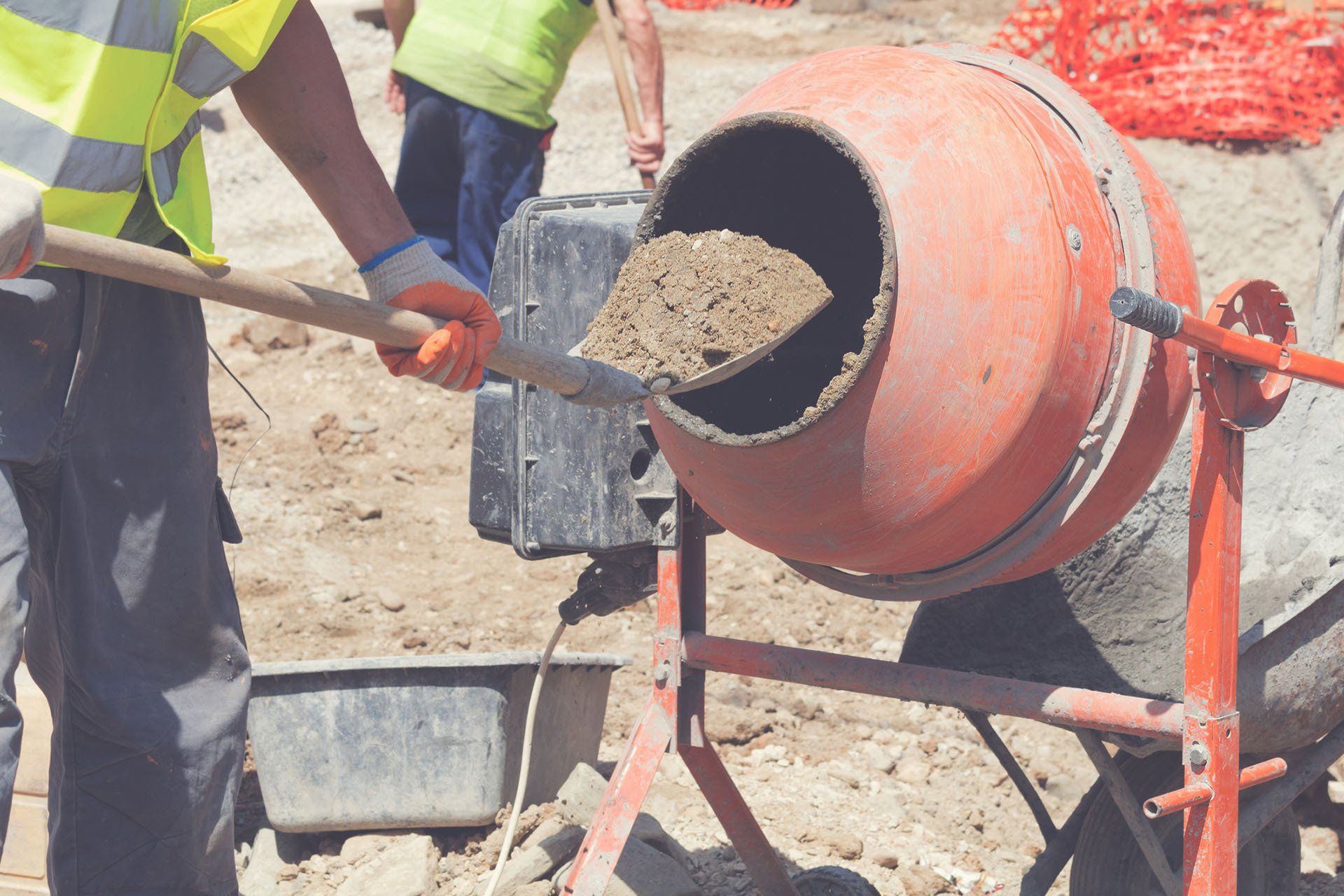
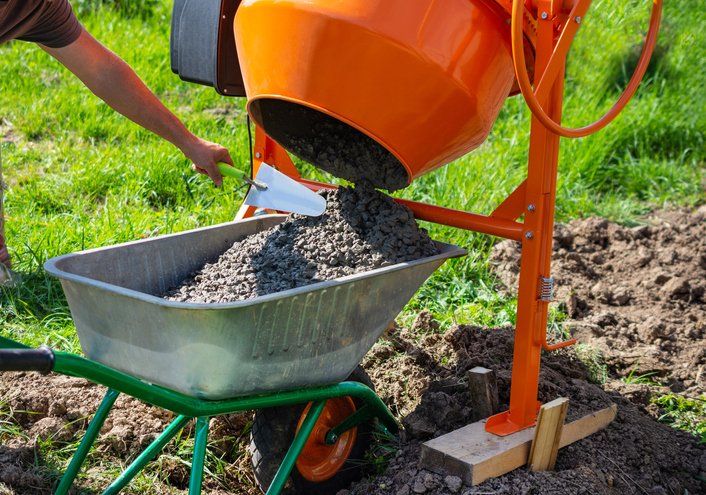
Traditional concrete forming involves building forms or molds that hold wet concrete in place while it cures. This method is commonly used for sidewalks, patios, driveways, retaining walls, and larger concrete structures.
Because forms are built and reinforced before pouring, traditional forming offers greater flexibility for structural applications that require specific dimensions, thicknesses, and load-bearing capabilities.
Understanding the Differences or Each Technique
Pros of Concrete Curbing
One of the biggest advantages of concrete curbing is the speed of installation. Specialized curbing machines continuously extrude concrete, allowing long sections of curbing to be installed in a single day.
This efficient process minimizes disruption to your property and often reduces labor costs.
Cons of Concrete Curbing
While decorative curbing works exceptionally well for landscape edging, it is not designed for load-bearing applications such as driveways, patios, or retaining walls.
Projects requiring significant structural support typically require traditional concrete construction methods.
Pros of Traditional Concrete Forming
Traditional forming allows contractors to incorporate reinforcement, specific thickness requirements, and engineered designs for projects that must support significant weight and stress.
Cons of Traditional Concrete Forming
Building forms, reinforcing concrete, pouring, finishing, and curing generally require more labor and time than decorative curbing installations.
Larger projects may take several days or even weeks to complete depending on complexity and weather conditions.
Upgrade Your Curbing Operation - Contact Us Today!
Every property is unique, and selecting the right concrete solution requires careful consideration of your design goals, budget, and long-term maintenance needs.
Whether you're interested in decorative landscape curbing or a larger concrete installation, professional guidance can help ensure your investment adds value and beauty to your property for years to come. From startup contractors to experienced curbing professionals, our machines provide everything you need to create strong, consistent, and visually appealing concrete curbing. Combined with comprehensive training and industry-leading accessories, our equipment helps streamline installation, increase productivity, and deliver professional results on every project. If you're ready to grow your business and expand your service offerings, contact us today to discuss curbing machine options, pricing, and training programs.